
How Multisensory Teaching Works - Inspire Superior, Excited Students
When experiences tap into all our senses as well as a variety of ways that we can process and organize information, not only does it grab our attention, but it becomes extremely memorable. The term multisensory teaching has been around for some time, but the concept has matured and grown over time.
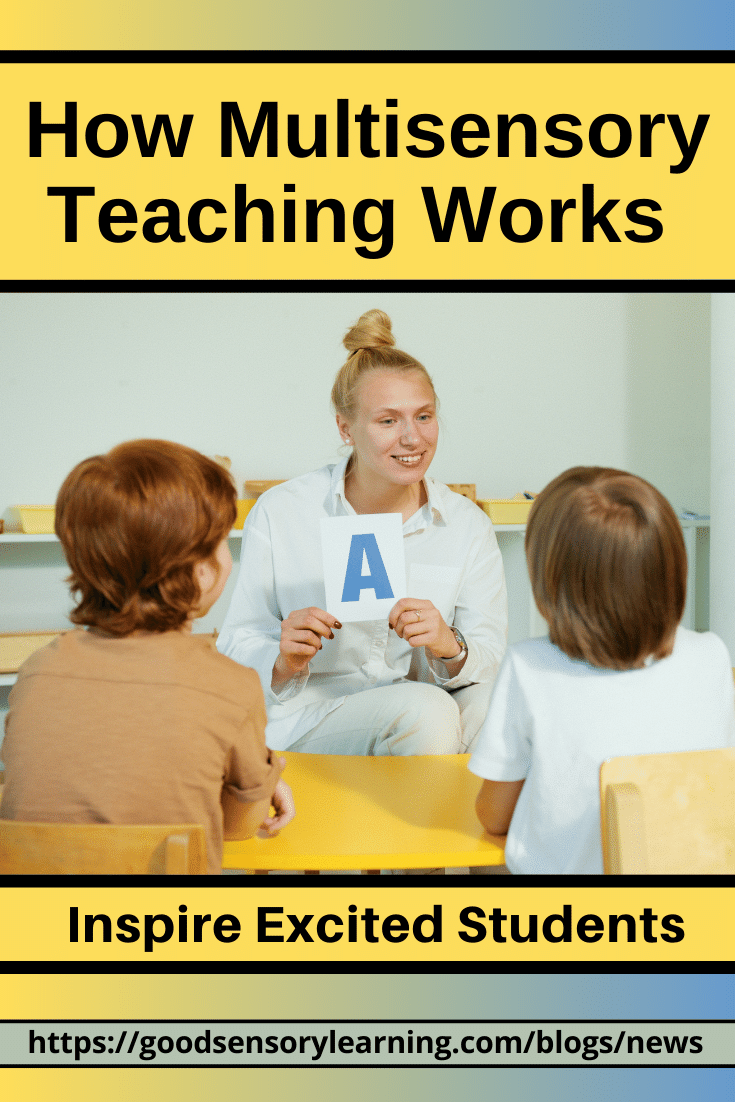
What Does Multisensory Mean?
The term multisensory means that one is using more than one sense to perceive the world around them. When applied to learning, this means that learners use multiple senses, such as sight, hearing, and touch, to learn academic content.
What is a Multisensory Approach to Learning?

A multisensory approach to learning, multisensory teaching, or multisensory instruction, is a way of teaching that engages students by implementing lessons that activate more than one sense at a time. This has been a successful method used in popular Orton Gillingham reading programs for many years, as well as many popular math methods such as Touch Math, but is there more?
Can We Teach Beyond the Senses for an Even Better Learning Experience?
Yes, we can! Sensory ways of teaching engage greater numbers of students when compared to traditional teaching methods, but in my practice and materials, I like to take it to new heights by integrating kinesthetics or movement, verbalizations, organizational approaches, as well as other ways to process, as outlined with the Student Processing Inventory. What's more, I find that implementing reading games, math games, and playful instruction motivates and excites my students, too.
Here are direct links to more resources on multisensory teaching:
Here are direct links to more resources on multisensory teaching:
Cheers, Erica
Dr. Erica Warren is the author, illustrator, and publisher of multisensory educational materials at Good Sensory Learning. She is also the director of Learning to Learn and Learning Specialist Courses.
- Blog: https://goodsensorylearning.com/blogs/news
- YouTube Channel: https://www.youtube.com/user/warrenerica1
- Executive Function Podcast: https://goodsensorylearning.com/pages/the-personal-brain-trainer-podcast-with-dr-erica-warren
- Store: http://www.Goodsensorylearning.com/
- Courses: http://www.learningspecialistcourses.com/
- Newsletter Sign-up: https://good-sensory-learning.kit.com/drericawarren


Leave a comment
This site is protected by hCaptcha and the hCaptcha Privacy Policy and Terms of Service apply.